
Exploring the Benefits and Risks of DHEA Supplements for Health and Wellness*

Updated: Dec 30, 2025
Dehydroepiandrosterone, commonly known as DHEA, is a hormone produced naturally by the adrenal glands. It plays a crucial role as a precursor to male and female sex hormones, including testosterone and estrogen. Over the years, DHEA supplements have gained popularity for their potential to improve energy, mood, and overall health. But how much of this is backed by science, and what risks should you be aware of before considering DHEA supplements? This article explores the benefits and risks of DHEA supplements to help you make informed decisions about your health.
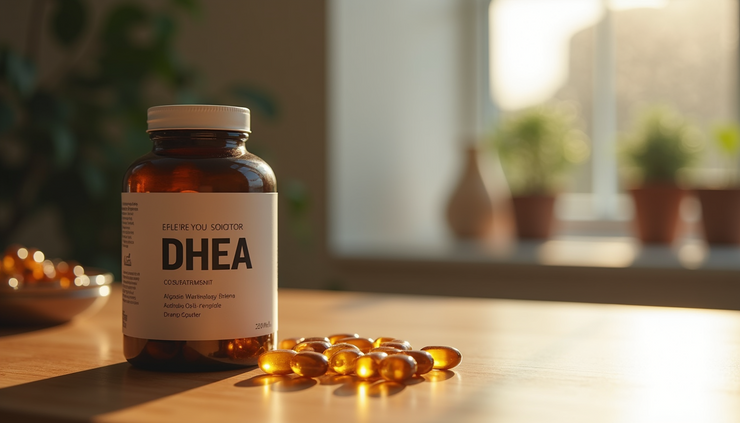
What Is DHEA and How Does It Work?
DHEA is one of the most abundant hormones in the human body, especially during young adulthood. It serves as a building block for other hormones that regulate many bodily functions. Levels of DHEA peak in the mid-20s and gradually decline with age, which has led to interest in supplementing it to counteract aging effects.
The hormone influences:
Immune function
Bone density
Muscle strength
Mood and cognitive function
Sexual health
Because DHEA converts into estrogen and testosterone inside individual tissues, it can impact hormone balance, which is why its supplementation requires careful consideration. DHEA is not floating around in the bloodstream, so blood tests may look unchanged while your body still 'feels' hormonal effects. This is known as Intracrine hormone conversion.
In comparison to testosterone replacement, testosterone enters the blood stream, blood levels rise in a measurable way, tissues are exposed directly and fairly evenly therefore blood testosterone levels more so equals tissue testosterone levels. This is why testosterone replacement therapy (TRT) effects are predictable and why sudden spikes can cause either positive or negative impact.
What is DHEA-S?
DHEA-S (Dehydroepiandrosterone sulfate) is a sulfated form of DHEA.
The body adds a sulfate group to DHEA. This makes it more stable, longer lasting, and easier to store in the bloodstream. It is not as biologically active as DHEA; however, it acts as a circulating reservoir the body can convert back into DHEA when needed
Think of DHEA-S as the “storage tank” or “banked form” of DHEA.
Which one is normally tested in bloodwork?
DHEA-S is the main marker doctors measure because:
levels are stable throughout the day
not affected much by diet or stress in the moment
provides a good picture of long-term adrenal androgen production
DHEA (free DHEA) fluctuates more and is less commonly measured.
So, if you look at typical labs, you’ll see “DHEA-S” almost every time.
Potential Benefits of DHEA Supplements
1. Improved Energy and Mood
Some studies suggest that DHEA supplements may help improve energy levels and reduce symptoms of depression, especially in older adults. For example, a small clinical trial found that DHEA supplementation improved mood and well-being in middle-aged individuals with mild depression.
2. Enhanced Bone Density
DHEA may support bone health by promoting the production of sex hormones that help maintain bone density. Research involving postmenopausal women showed modest improvements in bone mineral density after several months of DHEA supplementation.
3. Support for Muscle Strength
Because DHEA converts to testosterone, it might help increase muscle mass and strength. Some athletes and older adults use DHEA to counteract muscle loss related to aging, although evidence is mixed and more research is needed.
4. Sexual Health Benefits
DHEA has been studied for its potential to improve libido and sexual function, particularly in women experiencing sexual dysfunction related to menopause or adrenal insufficiency. Some trials report increased sexual desire and satisfaction with DHEA use.
5. Possible Immune System Support
Preliminary research indicates that DHEA might enhance immune function by modulating immune cell activity. However, these findings are early and require further validation.
Risks and Side Effects of DHEA Supplements
Hormonal Imbalance
Because DHEA influences estrogen and testosterone levels inside individual tissue, supplementation can cause hormonal imbalances. This may lead to unwanted effects such as:
Acne
Hair loss or excessive hair growth
Mood swings
Changes in menstrual cycle
Increased Risk of Hormone-Sensitive Conditions
People with hormone-sensitive conditions like breast, prostate, or ovarian cancer should avoid DHEA supplements. Raising hormone levels could potentially stimulate the growth of hormone-dependent tumors.
Cardiovascular Concerns
Some studies suggest that DHEA supplementation might affect cholesterol levels and blood pressure, but results are inconsistent. Anyone with heart disease or risk factors should consult a healthcare provider before use.
Other Side Effects
Common side effects reported include:
Headaches
Fatigue
Insomnia
Gastrointestinal discomfort
These symptoms often resolve after stopping supplementation.
Who Should Consider DHEA Supplements?
DHEA supplementation may benefit certain groups, but it is not suitable for everyone. Those who might consider DHEA include:
Older adults experiencing low energy or mood changes
Postmenopausal women with decreased bone density or sexual dysfunction
Individuals with adrenal insufficiency diagnosed by a healthcare professional
Before starting DHEA, it is essential to have hormone levels tested and discuss potential risks with a healthcare provider.
How to Use DHEA Supplements Safely
If you decide to try DHEA supplements, follow these guidelines to reduce risks:
Start with the lowest effective dose, typically 5-10 mg per day
Use supplements under medical supervision with regular hormone level monitoring
Avoid long-term use without breaks to prevent hormone buildup
Do not combine with other hormone therapies unless advised by a doctor
Purchase supplements from reputable sources to ensure quality and purity
What Does the Research Say?
Scientific studies on DHEA supplements show mixed results. Some clinical trials report benefits in mood, bone density, and sexual function, while others find little to no effect. The variability may stem from differences in dosage, duration, participant age, and health status.
A 2019 review published in Frontiers in Endocrinology concluded that while DHEA shows promise in specific areas, more large-scale, long-term studies are needed to confirm safety and effectiveness.
Alternatives to DHEA Supplements
If you are hesitant about DHEA or want to explore other options, consider these alternatives:
Exercise: Strength training and aerobic exercise improve hormone balance, bone density, and mood naturally.
Nutrition: A balanced diet rich in healthy fats, vitamins, and minerals supports hormone production.
Stress management: Practices like meditation and yoga reduce cortisol, which can negatively affect DHEA levels.
Sleep: Quality sleep is essential for hormone regulation and overall health.
Final Thoughts on DHEA Supplements
DHEA supplements offer potential benefits for energy, mood, bone health, and sexual function, especially in older adults. However, they carry risks related to hormone imbalance and should be used cautiously. The current research supports careful, supervised use rather than widespread supplementation.
*Disclaimer: None of the information written on this blog is intended to diagnose, treat, cure, or prevent any disease. This information here on in are for health maintenance and for educational purposes only. Nothing in this information provided is intended to replace conventional medical approaches. Please consult with your current medical health care provider before deciding to change your diet and lifestyle.


Comments